
Jesse Smedley is a Principal of Oakbridge Insurance and the founder of iHealthBrokers. He founded iHealthBrokers in 2007, and Oakbridge acquired iHealthBrokers in 2025. He has spent nearly two decades teaching people how to save money on their health insurance and navigate Medicare, and he is the author of Medicare A to Z: Your Roadmap to Medicare.
Medicare has four parts, two very different paths you can take, a stack of enrollment deadlines and penalties that can follow you for life if you miss them. No wonder people feel like it was built to confuse them. But it’s not as complicated as it seems. Once you understand the parts of Medicare, it’s much easier to make an informed decision.
The Four Parts of Medicare Explained
Medicare is made up of Part A, Part B, Part C and Part D. Each one does a different job and has its own costs.
Part A: Hospital Insurance
Part A is your hospital insurance. When you’re admitted to a hospital, Part A helps pay the facility.
Most people don’t pay a monthly premium for Part A. If you or your spouse worked at least 40 quarters (about 10 years) in a job where you paid Medicare taxes, Part A is premium-free.
If you haven’t reached 40 quarters, you’ll pay a premium ($311 a month with 30 to 39 quarters, or $565 a month with fewer than 30, in 2026). Medicare keeps track of your work history, and once you reach 40 quarters, that premium goes away.
Part B: Medical Insurance
Part B is your medical insurance, and it’s the part you’ll use most. Any time you see a doctor, Part B is billed. It also covers outpatient care, MRIs, X-rays, lab work and more.
Together, Parts A and B make up Original Medicare, but they’re billed separately and work separately, with their own premiums, deductibles, copays and coinsurance.
Part B always has a monthly premium, and it’s based on your income. In 2026, the standard premium is $202.90. Higher earners pay more because of IRMAA, but most people pay the standard amount.
Part A and Part B Deductibles and Coinsurance
Part A and Part B each have their own deductible.
The Part A deductible ($1,736 in 2026) applies per benefit period, not per year. A benefit period starts when you’re admitted and ends after 60 days in a row without hospital or skilled nursing care. If you’re hospitalized more than once in a year, you could pay the Part A deductible more than once.
Part B is simpler: one deductible per year, $283 in 2026.
Then there are copays and coinsurance. For Part A, your copay depends on the type of facility (hospital or skilled nursing facility) and how long you stay. For Part B, you pay 20% of the Medicare-approved amount.
Together, Parts A and B cover most of your medical needs, and keeping Original Medicare is one of your two main choices.
Part C: Medicare Advantage
Your other main choice is Part C, better known as Medicare Advantage. These are managed care plans sold by private insurance companies as an alternative to Original Medicare. This is where the road forks.
Medicare Advantage plans must cover at least what Original Medicare covers. Many add extra benefits to attract members, such as dental, vision, hearing and prescription drug coverage.
Part D: Prescription Drug Coverage
Part D plans are stand-alone prescription drug plans. It surprises many people that Original Medicare doesn’t cover most prescriptions.
There are limited exceptions. Certain vaccines and drugs given by your doctor in a clinical setting, like chemotherapy or certain infusions, are covered by Original Medicare. But for the everyday medications you take at home, like a blood pressure or cholesterol pill, you need a Part D plan.
The Two Main Paths You Can Take With Medicare
Now that you know the four parts, here are the two main paths.
Path one: keep Original Medicare, usually add a Medicare Supplement plan, and add a Part D plan for prescriptions.
Path two: choose a Medicare Advantage plan instead. Most Medicare Advantage plans include prescription drug coverage, and if you go this route, we strongly recommend choosing one that does.
So what are the pros and cons of each?
Path One: Original Medicare With a Medicare Supplement Plan
Original Medicare’s biggest limitation is that it has no out-of-pocket maximum. If you face a medical crisis, like a serious diagnosis, there’s no cap on what you could spend in a year, and the bills can grow quickly.
That’s why many people add a Medicare Supplement plan, also called Medigap. Medigap doesn’t add benefits Original Medicare doesn’t cover (no dental, vision or hearing). It’s a financial tool that pays the out-of-pocket costs Original Medicare leaves behind.
Medigap gives you a much better idea of what you’ll spend each year while keeping the full flexibility of Original Medicare. You’d also need a Part D plan for prescriptions.
The Advantages of Original Medicare
With Original Medicare, there are no networks and no referrals needed to see a specialist. It gives you the most flexibility.
Almost all doctors and hospitals accept Medicare, and there are no hoops to jump through. If you need care, you simply make an appointment.
The Disadvantages of Original Medicare
The main downside is the lack of a cap on yearly spending, which Medigap can fix. But a Medicare Supplement plan comes with its own monthly premium.
When you compare Medigap premiums with Medicare Advantage premiums, it’s easy to see why many people choose Medicare Advantage. The upfront cost is much lower.
Juggling Original Medicare, a Medigap plan and a separate Part D plan (which you should review each year) can also feel like a lot, so it’s understandable that many people like the one-stop-shop approach of Medicare Advantage.
Path Two: Medicare Advantage Plans
Medicare Advantage plans are sold by private companies but must cover at least what Original Medicare covers. Many add benefits Original Medicare doesn’t, such as dental, vision, hearing and prescription drugs. Some even include allowances for over-the-counter items.
Many do all this with a very low or even $0 monthly premium. But don’t be fooled: you still have to pay your Part B premium.
Compare all those extras and a low premium with a Medicare Supplement plan plus Part D, each with its own premium, and it’s easy to see the appeal.
The Disadvantages of Medicare Advantage
There are major drawbacks, mainly networks and prior authorization.
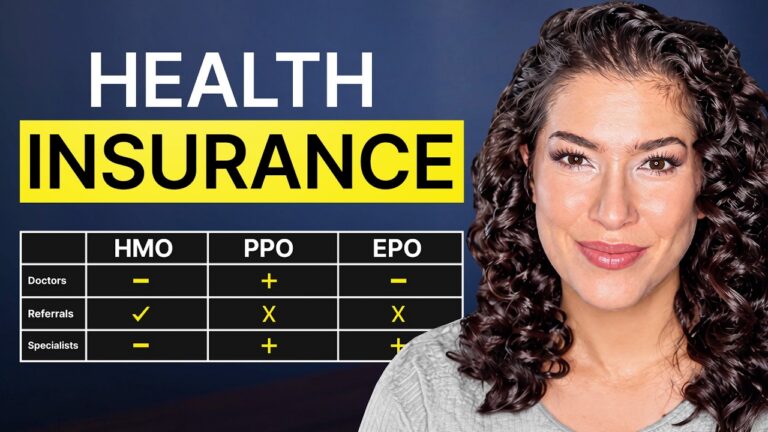
Networks: HMO vs. PPO
Unlike Original Medicare, Medicare Advantage plans use networks, usually HMOs or PPOs.
With an HMO, you generally have to use in-network doctors and hospitals, except in emergencies. Otherwise, you may pay the entire bill. With a PPO, you have more flexibility, but staying in network is always cheaper.
Prior Authorization and Potential Delays
The bigger issue is prior authorization. Because Medicare Advantage plans are managed care, many treatments and services your doctor recommends must be approved by the insurance company first.
That can lead to delays and even denials, plus a lot of paperwork at a time when you don’t need extra stress. Some doctors and hospitals have also stopped working with certain Medicare Advantage plans, so networks can change.
Which Medicare Option Is Right for You?
Whether you choose Original Medicare with add-ons or a Medicare Advantage plan depends on your budget, your health needs and your tolerance for paperwork.
You’ll often hear that Medicare Advantage works well for healthy people and Medicare Supplement plans are better for people with more medical needs. That’s largely true. But it leaves out one big thing: it can be very hard to switch to a Medicare Supplement plan once your health changes.
The Medigap Open Enrollment Period
Your guaranteed chance to buy any Medicare Supplement plan is your Medigap Open Enrollment Period: the 6 months that start the month you’re 65 or older and enrolled in Part B. During this window, companies can’t deny you or charge you more because of your health.
After it ends, in most states you may have to pass medical underwriting, which means you could be charged more or turned down.
So don’t pick a Medicare Advantage plan now assuming you can easily switch later.
How Much Does Medicare Cost?
Here’s a quick look at the costs for each part. For the full breakdown, including the IRMAA table, see our 2026 Medicare costs page.
Part A Costs
Most people pay no monthly premium for Part A. You may pay the deductible if you’re hospitalized, plus copays based on how long you stay and the type of facility.
Part B Costs
Part B always has a monthly premium. The standard amount in 2026 is $202.90, but you may pay more because of IRMAA.
Medicare generally uses your income from two years earlier. If you’ve since retired and your income has dropped, you can ask Social Security to use your more recent income.
Part B also has a once-a-year deductible ($283 in 2026) and 20% coinsurance on the Medicare-approved amount for covered services.
Medicare Advantage Costs
Medicare Advantage costs vary much more. Premiums are often low, and many plans have a $0 monthly premium, but you still pay your Part B premium.
Each plan also has its own deductibles, copays, coinsurance and out-of-pocket maximum.
Part D Costs
Part D plans are private plans, so your monthly premium depends on the plan you choose. Low-cost plans, sometimes with a $0 premium, are available in many areas, depending on where you live.
Part D plans can have a deductible (up to $615 in 2026). After that, what you pay for a drug depends on its tier.
Part D also has an out-of-pocket cap. Once your covered drug costs reach $2,100 in 2026, you pay nothing more for covered drugs for the rest of the year.
Medicare Enrollment Periods Explained
Once you’ve decided, when do you actually enroll? It depends on the part of Medicare and your situation. Our Medicare enrollment guide covers each step in detail.
Your Initial Enrollment Period
For Original Medicare, your timing is set by your 65th birthday. You have a 7-month window: the 3 months before your birthday month, your birthday month, and the 3 months after.
If you’re already getting Social Security or Railroad Retirement benefits, you’ll likely be enrolled in Parts A and B automatically, and your card will arrive in the mail. If you aren’t enrolled automatically, you sign up through Social Security.
Enrolling in Medicare When You’re Still Working
If you’re working past 65 and keeping your employer’s group coverage, you may be able to delay Part B. If you’re enrolled automatically and want to delay Part B, follow the instructions that come with your Medicare card to decline it. If you keep the card without doing so, you keep Part B and will be charged the premium.
Delaying is generally safe only when your employer has 20 or more employees, so check with your benefits office first. When you stop working, you get a Special Enrollment Period: 8 months to sign up for Part B after your employment or your employer coverage ends, whichever happens first. COBRA doesn’t count as employer coverage for this rule. Read more in Working Past 65: Should You Enroll in Medicare or Wait?
The General Enrollment Period
If you miss your Initial Enrollment Period and don’t qualify for a Special Enrollment Period, you can sign up for Part A and Part B during the General Enrollment Period, January 1 to March 31 each year. Coverage starts the month after you sign up, and late penalties may apply.
That’s the same time as the Medicare Advantage Open Enrollment Period, which is easy to confuse with the Annual Enrollment Period.
The Annual Enrollment Period
The Medicare Advantage and Part D Annual Enrollment Period runs October 15 to December 7 every year.
During this time, you can join a Medicare Advantage or Part D plan, switch plans, or drop Medicare Advantage and go back to Original Medicare.
The Medicare Advantage Open Enrollment Period
The Medicare Advantage Open Enrollment Period, January 1 to March 31, is only for people already in a Medicare Advantage plan.
If your plan isn’t right for you, you can switch to a different Medicare Advantage plan, or leave Medicare Advantage and go back to Original Medicare (and join a Part D plan). You can make one change during this period.
What you can’t do is use it to join Medicare Advantage if you’re not already in a plan.
Why Medicare Enrollment Deadlines Matter
There are two big reasons to know these deadlines.
First, if you miss one, you could have a gap in coverage and have to pay the full cost of any care or prescriptions you need.
Second, there are late enrollment penalties, especially for Part B and Part D.
The Part B Late Enrollment Penalty
If you’re eligible for Part B and go without it (and without qualifying employer coverage), your premium goes up 10% for each full 12-month period you could have had it. That penalty is added to your premium for as long as you have Part B. It isn’t a one-time charge.
The Part D Late Enrollment Penalty
If you go 63 days or more in a row without Part D or other creditable drug coverage after your Initial Enrollment Period ends, you can face a Part D late enrollment penalty. It’s 1% of the national base premium for each month you went without coverage, and it’s generally added for as long as you have Part D.
The Part D penalty is usually smaller than the Part B penalty, but it’s also easy to avoid.
How to Choose the Right Medicare Plan for Your Needs
So which path is right for you? Ask yourself:
- Who are my doctors and hospitals? Do they work with Medicare Advantage plans, or would I be out of network?
- What are my prescription needs? Do I take a lot of medications or need more flexibility?
- What’s my budget? Can I set aside money each month for higher premiums, or am I more comfortable taking on some risk with Medicare Advantage?
Four parts, two paths, a few deadlines, and a decision that comes down to your doctors, your prescriptions and how you prefer to handle risk. For a printable list of next steps, see our New to Medicare checklist.
Get Help Choosing Your Medicare Path
Our licensed brokers can walk you through every option at no cost to you. Get your free quotes or call us at (866) 260-9829.