
Jesse Smedley is a Principal of Oakbridge Insurance and the founder of iHealthBrokers. He founded iHealthBrokers in 2007, and Oakbridge acquired iHealthBrokers in 2025. He has spent nearly two decades teaching people how to save money on their health insurance and navigate Medicare, and he is the author of Medicare A to Z: Your Roadmap to Medicare.
Like any health insurance, Marketplace plans come with several kinds of costs. Understanding each one is the first step to making sure you aren’t overpaying.
The Costs of a Marketplace Plan
Monthly Premium
Your premium is the fixed amount you pay each month to keep your coverage active. It may be lowered by a premium tax credit (PTC). Your eligibility for a premium tax credit is based on your income and household size.
Deductibles
The deductible is the amount you pay out of pocket before your plan starts sharing the cost. Your plan may have more than one deductible. For example, there may be a separate medical deductible and prescription drug deductible.
It’s also important to understand individual and family deductibles. On a family plan, everyone’s costs count toward the family deductible. Once the family deductible is met (even if your individual deductible hasn’t been), your plan starts sharing costs for everyone on the plan.
Cost-Sharing
There are two types of cost-sharing: copays and coinsurance. Copays are fixed dollar amounts, usually for primary care visits, specialists, the emergency room or urgent care. Coinsurance is a percentage of the cost, such as 20% or 50%.
Out-of-Pocket Maximum
Every Marketplace plan has an out-of-pocket maximum. It’s a yearly cap on what you pay for covered, in-network care. Once you reach it, your plan pays 100% of covered services for the rest of the year.
Metal Tiers
Marketplace plans are grouped into four metal tiers: Bronze, Silver, Gold and Platinum. The tiers don’t indicate quality. They reflect how costs are split between you and the plan, on average, for a typical group of enrollees:
- Bronze: the plan pays about 60%, you pay about 40%
- Silver: about 70/30
- Gold: about 80/20
- Platinum: about 90/10
Lower tiers usually have lower monthly premiums. If you don’t use your insurance often, they may be a better fit. If you use a lot of care, a Gold or Platinum plan may better suit your needs. Learn more in Marketplace Metal Tiers.
HSA Eligibility for Bronze Plans
Starting in 2026, all Bronze and Catastrophic plans sold on the Marketplace count as HSA-eligible. Health Savings Accounts (HSAs) offer a triple tax advantage:
- Contributions are tax-deductible, lowering your taxable income.
- The money grows tax-free, whether it earns interest or you invest it.
- Withdrawals for qualified medical expenses are tax-free.
HSA contributions also lower your modified adjusted gross income (MAGI), and your subsidy eligibility is based on MAGI. In 2026, you can contribute up to $4,400 for self-only coverage or $8,750 for family coverage, plus an extra $1,000 catch-up if you’re 55 or older. That’s nearly $10,000 a year for some families, which can make a real difference in your subsidy.
Premium Tax Credits
The American Rescue Plan Act and the Inflation Reduction Act expanded who could get a premium tax credit and increased the amounts. Those enhanced subsidies expired at the end of 2025.
With that, the subsidy cliff is back. The 400% Federal Poverty Level cutoff has returned, and people with income above it no longer qualify for a subsidy. Going over the line can mean a sudden jump to full-price premiums. We explain more in Can’t Afford Your ACA Plan? 2026 Fixes and Cheaper Options.
Estimate your income as accurately as possible, and update it on HealthCare.gov (or your state’s Marketplace) if it changes. Otherwise, you may have to pay back some or all of your subsidy at tax time, and starting with the 2026 tax year, there’s no cap on how much you may have to repay.
The 10 Essential Health Benefits
Every Marketplace plan must cover the 10 essential health benefits. Plans can offer more, but these core benefits are guaranteed. Many preventive services are covered at no cost, even before you meet your deductible.
- Ambulatory patient services (outpatient care)
- Emergency services
- Hospitalization
- Maternity and newborn care
- Mental health and substance use disorder services
- Prescription drugs
- Rehabilitative and habilitative services and devices
- Laboratory services
- Preventive and wellness services and chronic disease management
- Pediatric services, including dental and vision care for children
Networks
All Marketplace plans use provider networks.
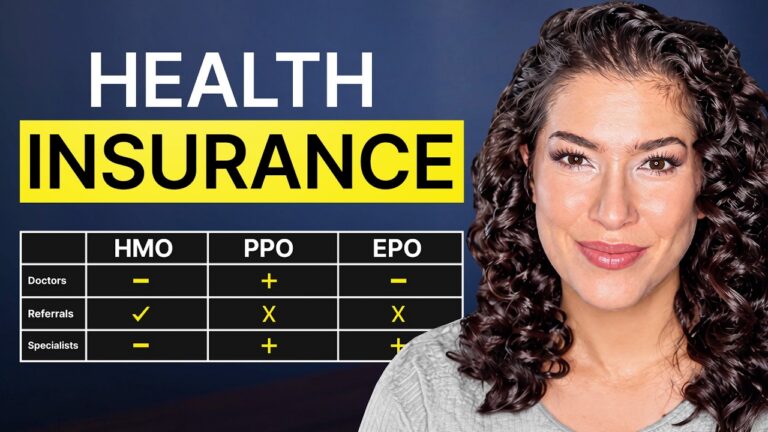
- HMOs offer the least flexibility but usually the lowest premiums. You’ll need a primary care physician (PCP) and referrals, and coverage is in network only (except emergencies).
- PPOs offer the most flexibility but typically have higher premiums. No PCP or referrals are required, and you may have both in-network and out-of-network coverage.
- EPOs fall somewhere in between.
For a full breakdown, see EPO, HMO or PPO? What’s the Difference?
Enrollment Periods
You can enroll in a Marketplace plan during Open Enrollment, or during a Special Enrollment Period if you qualify. Dates can vary if your state runs its own Marketplace instead of using HealthCare.gov.
On HealthCare.gov, Open Enrollment has run from November 1 to January 15. Enroll by December 15 for coverage starting January 1.
Update (November 2026): A 2025 federal rule would have shortened Open Enrollment starting with 2027 coverage, but a federal court struck that provision down in June 2026. For 2027 coverage, HealthCare.gov Open Enrollment runs November 1, 2026 to January 15, 2027.
Special Enrollment Periods can be triggered by qualifying life events, such as losing other coverage, a change in household size or a move. Enroll promptly to avoid a gap in coverage.
Comparing Plans
Comparing plans can be challenging because there are so many variables. A few tips:
- Weigh the monthly premium against the deductible.
- Check which services are covered before you meet the deductible.
- For family plans, compare both the individual and family deductibles and out-of-pocket maximums.
- Review the plan’s formulary, drug tiers and what your prescriptions will cost.
Networks can be especially hard to evaluate. Make sure your preferred doctors and hospitals are in network, and consider the financial risk of out-of-network care. PPOs may have separate in-network and out-of-network deductibles and higher out-of-network coinsurance. Our individual and family health plan guide walks through more of what to look for.
Get Help Choosing a Marketplace Plan
With so many moving parts, it’s easy to overpay. Our licensed brokers compare individual and family plans for you at no cost. Get your free quote or call us at (866) 260-9829.